Recent Articles
Assembly Sequencing: The Missing Link in Process Planning
Assembly sequencing sits at the center of the digital thread connecting engineering to manufacturing. So why has Excel remained the default tool for it, decade after decade?
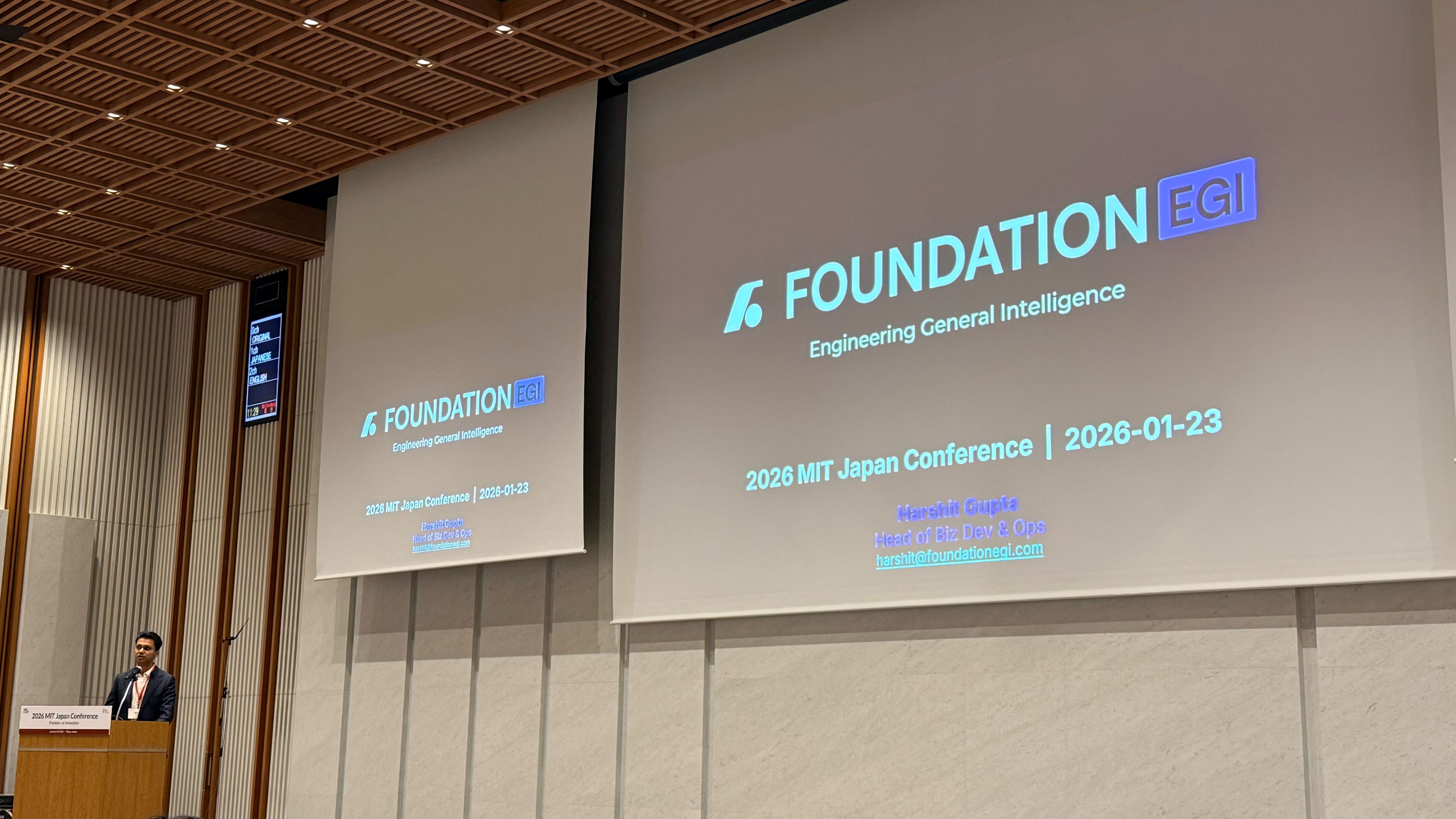
EGI in Asia: Reflections from MIT ILP Japan & Korea
Last month, our team had the opportunity to present Foundation EGI's platform at the MIT Industrial Liaison Program (ILP) conferences in Japan and Korea.
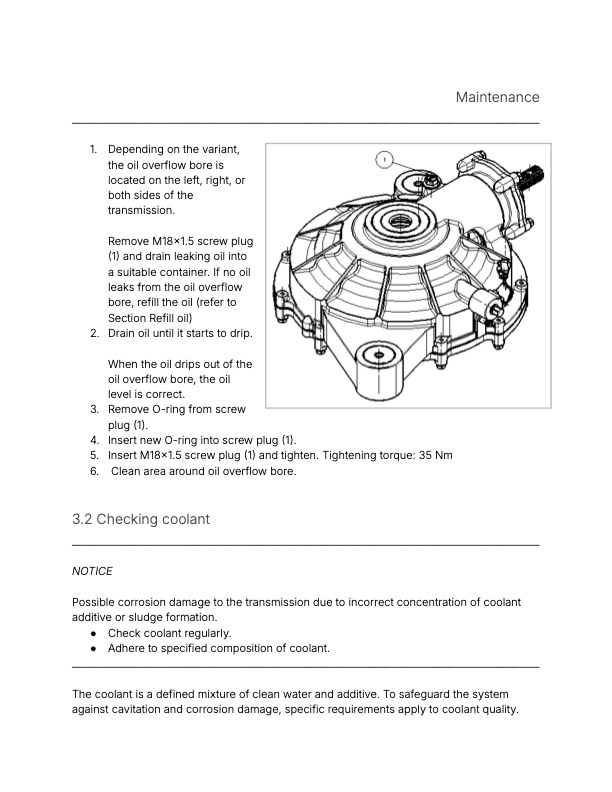
Automating Service and Operator Manual Translations
Why Technical Manual Translations Keep Failing and How EGI Can Finally Fix It

Automating Spare Parts Catalogs
Spare parts catalogs are essential to any Aftermarket or Service team. With Engineering General Intelligence, we’re redefining how these catalogs are built and generated at scale.

Automating Assembly Instructions
Today, manufacturing engineers spend most of their time deciphering complex assemblies and figuring out the correct assembly sequences. EGI can help.

Why AI Isn’t Ready to Lead Design and Manufacturing Just Yet
AI is moving rapidly into professional domains once thought immune to automation, but current models still fall short of what's required to be truly useful.
.png)
Automating GD&T Drawings
Every engineer creates technical drawings. Every engineer hates them. With EGI, we have an automated approach to producing them.

Designing Beyond Data: Breaking the Rules with AI
TEDx MIT presentation by co-founder Wojciech Matusik

CSAIL Spinout Foundation EGI Pioneers New Area of AI: Engineering General Intelligence
An estimated 20% of every dollar spent on manufacturing is wasted, totaling up to $8 trillion a year, more than the entire annual budget for the U.S. federal government.

Foundation EGI Secures $23M in Oversubscribed Series A to Build the World's First Engineering General Intelligence Platform
With AI purpose-built for engineering, Foundation EGI is empowering teams to design faster, solve harder problems, and rethink what’s possible.

Why we invested in Foundation EGI, the AI platform revolutionizing engineering knowledge
In today’s manufacturing landscape, engineering processes remain largely manual and disorganized, resulting in an estimated $8T in economic waste.

Domain-Specific Languages (DSLs) and Why They’re Essential to EGI
Domain-specific Languages (DSLs) are the key to translating engineering logic into structured code and unlocking AI’s true potential in design and manufacturing.
The Manufacturing Connection's Review of Foundation Engineering General Intelligence (EGI)

Engineering’s AI opportunity is here
Foundation EGI CEO Mok Oh writes that the time is now for engineering’s AI revolution, and here’s why.

All Engineering is Programming and Why It Matters
Every engineering challenge is, at its core, a logic problem. And every logic problem can be expressed, shared, and improved if we treat it like code.

Foundation EGI launches out of stealth with manufacturing industry’s first engineering general intelligence platform
With backing from visionary VCs and validation from Fortune 500 brands, MIT-born Foundation EGI is on a mission to revolutionize engineering with AI
Large Language Models for Design and Manufacturing
The progress in generative AI, particularly large language models (LLMs), opens new prospects in design and manufacturing. Our research explores the use of these tools throughout the entire design and manufacturing workflow.